Column · @zioneriw722
7 Signs Your Sunshine Coast Metal Roof Needs Urgent Replacement
Salt-laden air, intense sunshine and heavy summer rain put Sunshine Coast metal roofs under constant pressure. While an isolated leak or loose fastener may only need a repair, widespread deterioration can make roof replacement the safer, more practical option.
No single symptom automatically means your entire roof needs replacing. The extent of damage, condition of the supporting structure and suitability of the existing materials all matter. Here are seven warning signs that call for an urgent professional assessment.
1. Widespread Rust or Holes Through the Sheets
Small patches of surface corrosion may be treatable, but extensive rust, thinning metal and perforations suggest the roof sheets are losing their ability to keep water out. Pay particular attention to sheet overlaps, valleys, fastener holes and areas where leaves trap moisture.
Coastal exposure can accelerate corrosion, especially where protective coatings are damaged. If deterioration affects multiple roof slopes, replacing individual sheets may offer only a short-term solution. Painting over rust does not restore metal that has already corroded away.
2. Recurring Leaks in Several Areas
A single leak can come from failed flashing, a deteriorated fastener washer or a blocked drainage point. However, leaks appearing in several rooms, or returning after appropriate repairs, can indicate broader problems with the roof system.
Look for water stains, bubbling paint, damp insulation and musty smells. Water can travel along framing before becoming visible, so the stain may not sit directly below the entry point. Ask a roofer to identify the cause rather than simply sealing the visible symptom.
3. Loose Sheets, Failed Fixings or Wind Damage
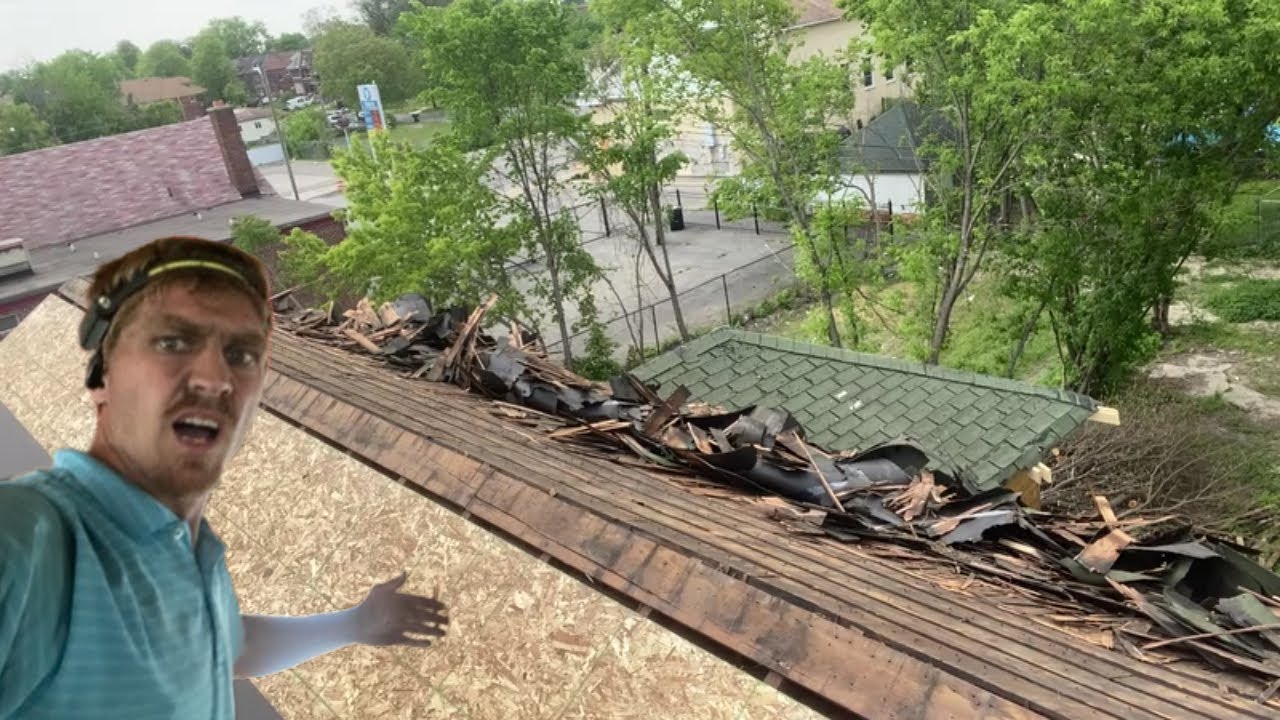
Rattling sheets, lifted edges and fasteners pulling out require prompt attention, particularly before South-East Queensland thunderstorms. These faults may allow wind to get beneath the roofing and worsen the damage.

A few failed fixings may be repairable. However, widespread fastener-hole enlargement, torn sheets or deteriorated fixing supports can make replacement necessary. An assessment should cover the sheets, battens, connections and suitability of the fixing arrangement for the property’s wind exposure.

4. Sagging Rooflines or Visible Structural Movement
A noticeable dip, distorted roof plane or movement around supporting members is not just a cosmetic issue. Possible causes include deteriorated battens, damaged framing, excessive loads or long-term moisture damage.
Roof replacement alone will not solve an underlying structural problem. Arrange an urgent inspection, with structural engineering advice where required. If ceilings are bulging or the roof appears unstable, keep people away from the affected area and seek immediate professional assistance.
5. Extensive Storm or Impact Damage
Not every hail dent requires replacement. The important questions are whether impacts have split the metal, damaged protective coatings, opened seams or affected drainage and weatherproofing.
Widespread creasing, punctures or damage from fallen branches can make sheet replacement necessary across large sections of the roof. Photograph damage from a safe position and contact your insurer promptly if you intend to claim. Do not climb onto a storm-damaged roof to investigate.
6. Widespread Coating Failure and Sheet Deterioration
Fading alone is generally cosmetic. More concerning signs include peeling coatings, exposed metal and corrosion spreading across substantial areas of the roof.
A restoration coating may be suitable when the underlying sheets remain sound, but it cannot compensate for perforations, severe thinning or failed connections. Ask whether the proposed work addresses the condition of the metal itself, rather than just improving its appearance.
7. Repairs Keep Increasing Without Solving the Problem
If each repair reveals another failing area, your roof may be reaching the point where replacement offers better long-term value. Repeated patching, recurring flashing failures and deterioration across multiple components are stronger indicators than age alone.
There is no universal replacement age for metal roofing. Material selection, coastal exposure, installation quality and maintenance all influence service life. Request an itemised comparison of targeted repairs and full replacement, including any necessary work to battens, insulation, flashings and drainage.
What to Do If You Notice These Warning Signs
Arrange an inspection with an appropriately licensed and insured roofing contractor. Check the contractor’s Queensland Building and Construction Commission licence and relevant licence scope before engaging them. Ask for photographs, a written diagnosis and a clear explanation of why repair or replacement is recommended.
For a Sunshine Coast roof replacement in 2026, specifications should address applicable Queensland building requirements, site-specific wind conditions and manufacturer installation instructions. Coastal properties also need materials, fasteners and flashings suited to their exposure, with compatible metals to reduce corrosion risks.
Stay off the roof and avoid entering a wet roof space. Keep clear of water near electrical fittings and contact a licensed electrician if water affects them. Early assessment helps you distinguish a manageable repair from a roof that needs urgent replacement—before the next heavy downpour makes the https://roofrestorationseq.com.au/roofing-ventilation-systems/ damage worse.
SEQ Roof Restoration Experts
Unit 6/25 Lerna St, Woolloongabba QLD 4102
(07) 3132 3236